Amanda Piña / Studio Fortuna Ancient Future Climate Bodies


Event information
Location
Price
Duration
Language
Content Notes
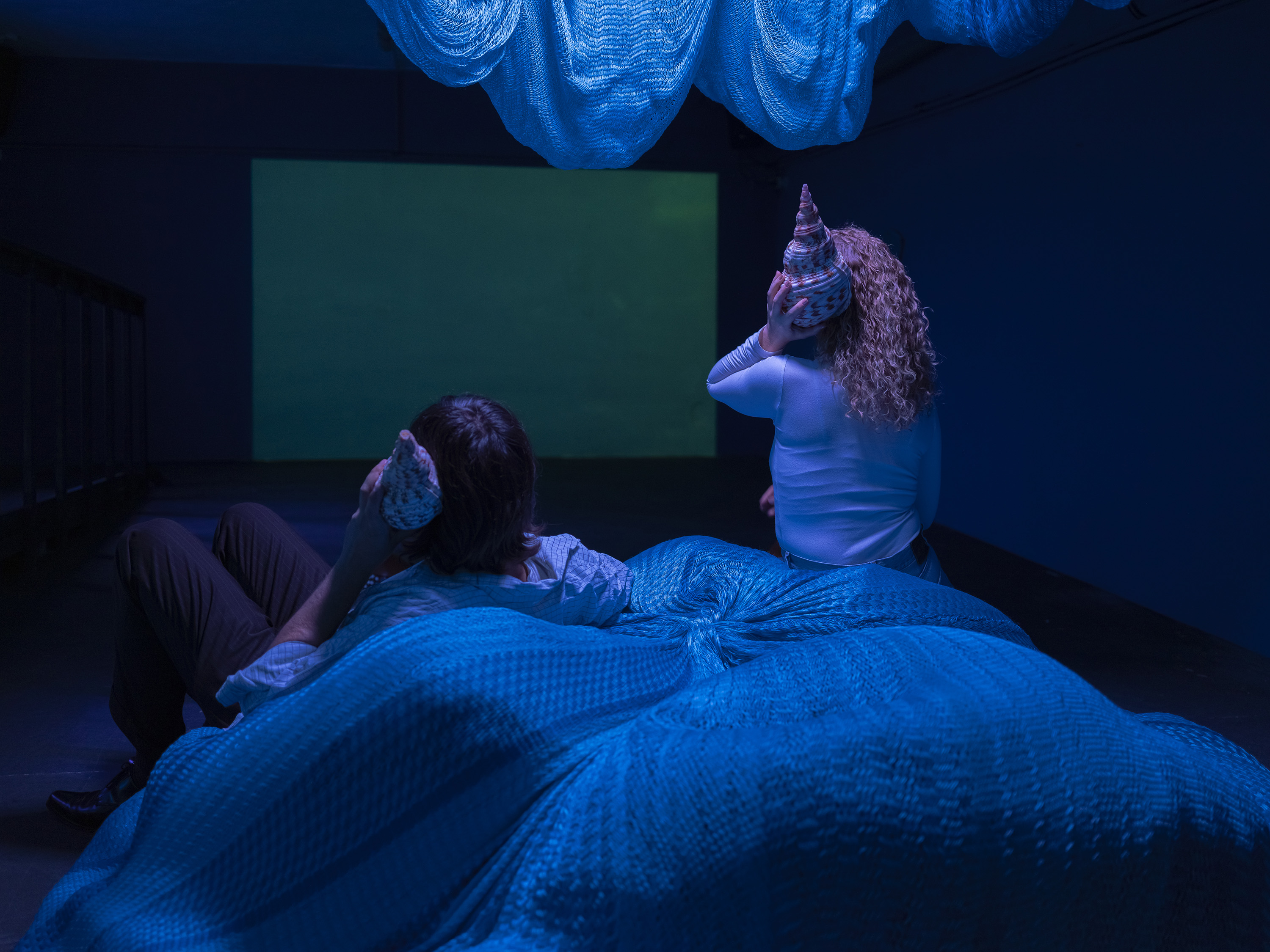
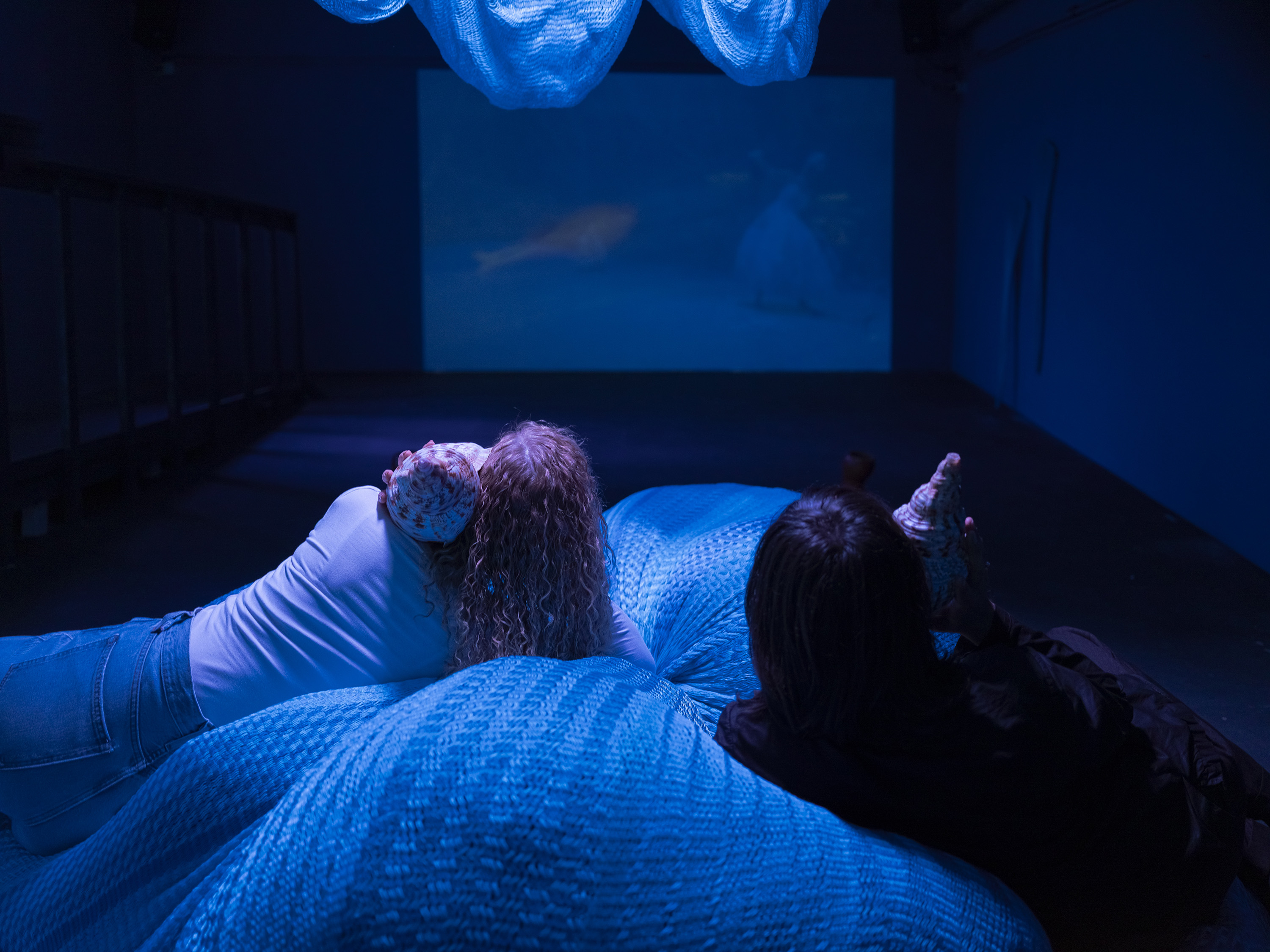
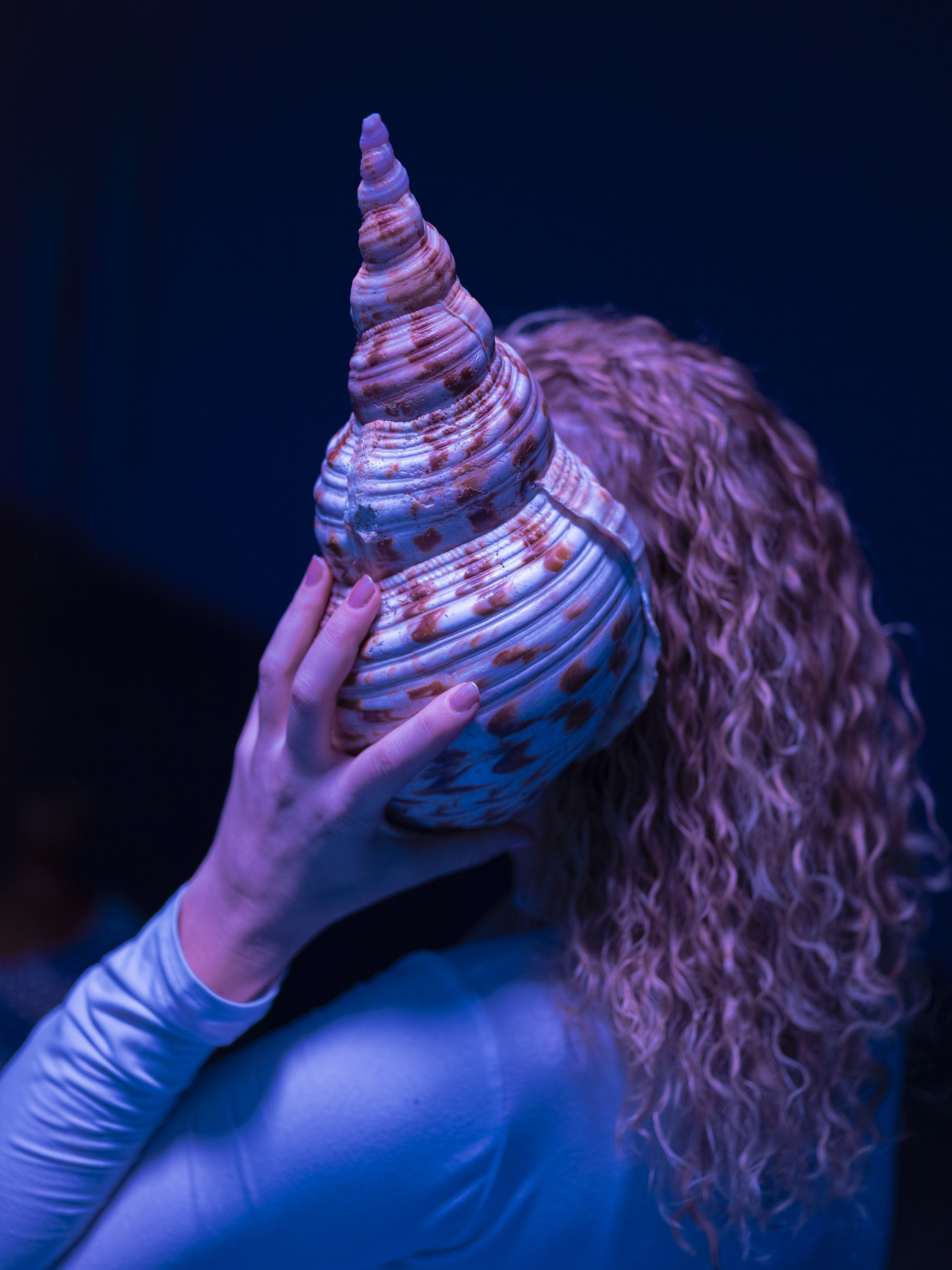
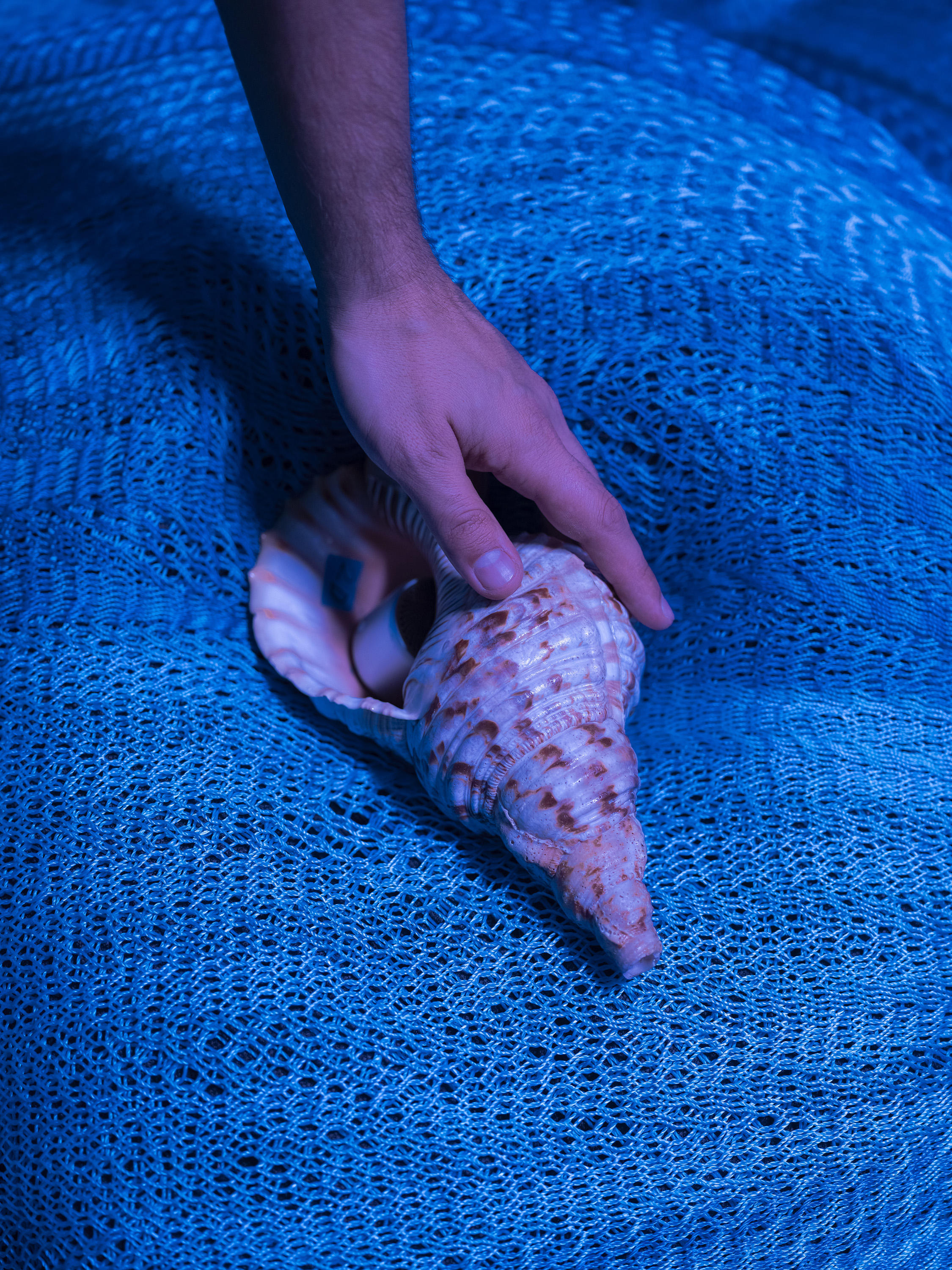
Ancient Future Climate Bodies is a One-to-one sound performance for two audience members, who may know each other or meet for the first time. They follow frequencies and narrations that invite unexpected encounters and new ways of experiencing what we understand as our bodies. Through shifting the attention to touch, sight and smell, the work reimagines the body as part of a larger web of living relations and explores adaptions in response to climate changes from an embodied, decolonial and post naturalist perspective.
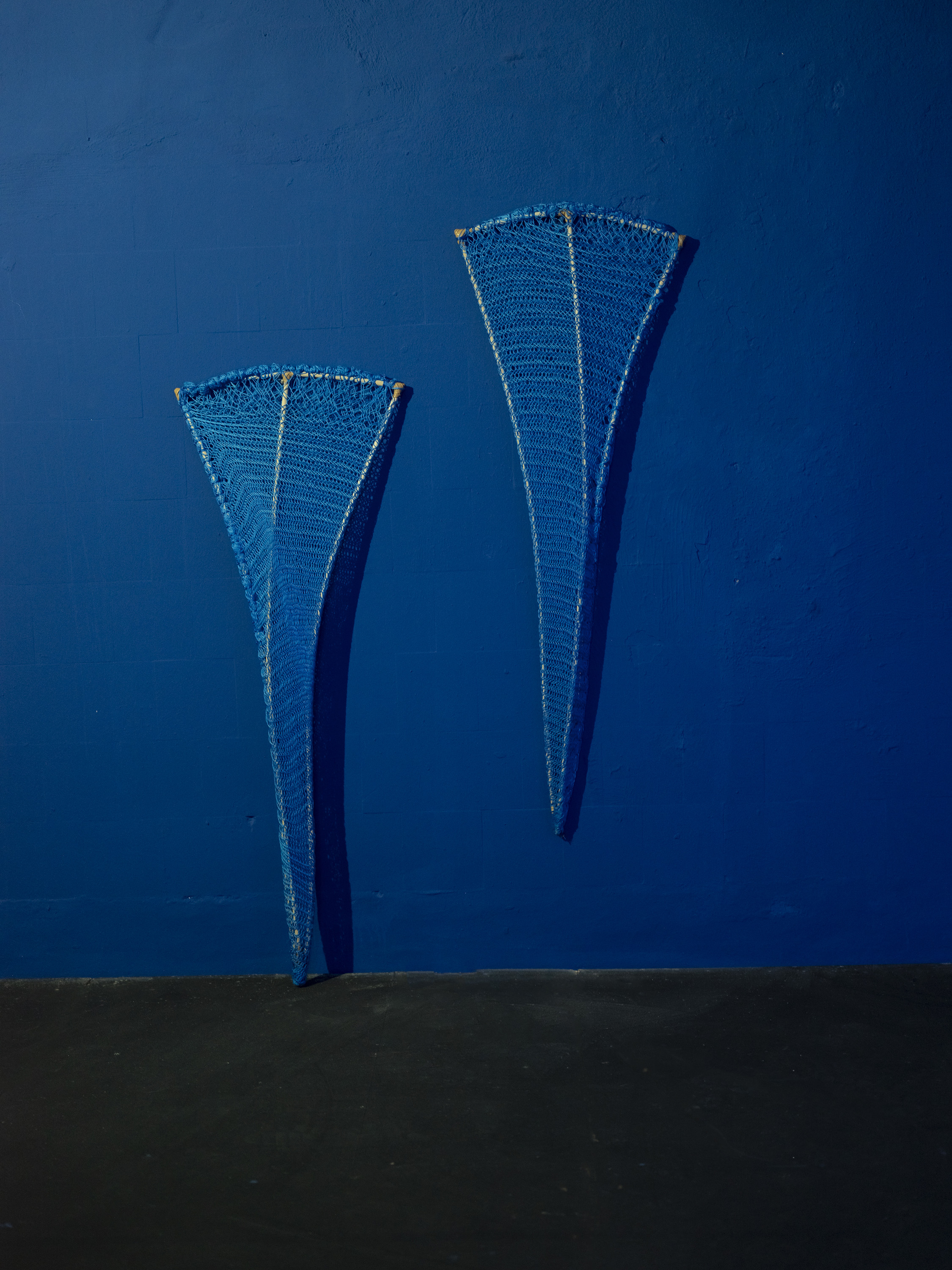
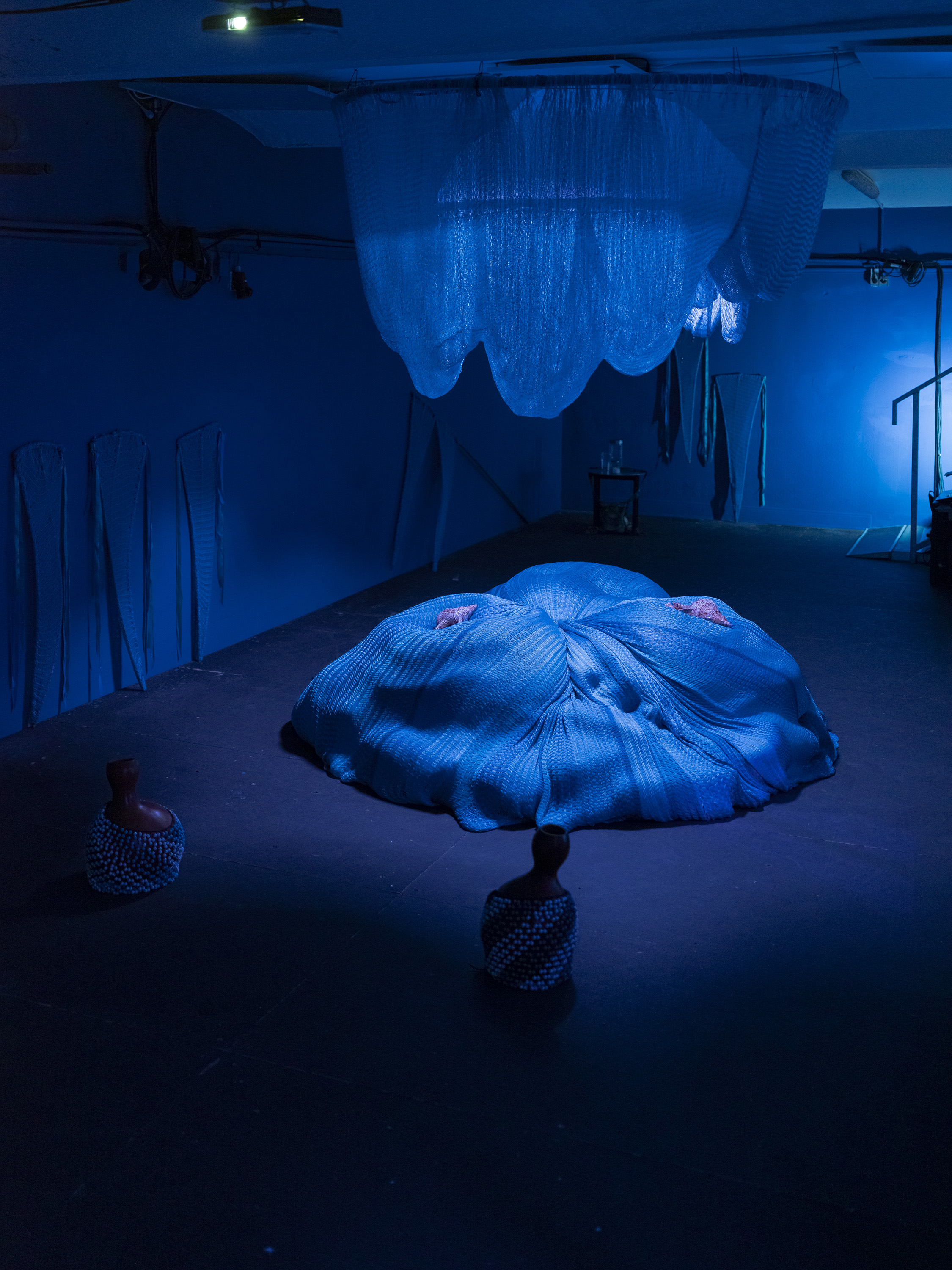
Set within an installation made of hand-woven textiles, ratan canes, light, water, sound and smoke, participants in Ancient Future Climate Bodies enter a carefully composed sensory environment in which listening becomes a way of relating.
By shifting attention toward touch, sight, smell, and hearing the work proposes a body not as an isolated individual but as a porous constellation of relationships.
Drawing on decolonial perspectives, first nations ontologies and multinatural thought, diverse cosmologies resurface, in which rivers, seas, springs, rain, and underground waters are understood as living beings rather than resources. The performance explores water as a medium of memory, transformation, and kinship. The water that moves through landscapes also circulates through our bodies, dissolving boundaries between self and environment and connecting us to temporalities that extend far beyond the human lifespan. Fluids in this sense become archives of ancestral knowledge, exchange, and continuous becoming.
Through an intimate choreography of perception participants are invited to inhabit forms of attention that privilege being over doing, resting over working and sensing over making sense.
Ancient Future Climate Bodies unfolds as a quiet ritual of listening that reorients the senses toward interdependence, inviting participants to experience themselves differently.
Dates & Tickets
-
16 OctFri16:00–18:00
Various time slotsNo late admissionPast event -
17 OctSat17:00–21:00
Various time slotsNo late admissionPast event -
18 OctSun17:00–21:00
Various time slotsNo late admissionPast event
-
22 OctThu17:00–21:00
Various time slotsNo late admission -
23 OctFri17:00–21:00
Various time slotsNo late admission -
24 OctSat17:00–21:00
Various time slotsNo late admission -
25 OctSun17:00–21:00
Various time slotsNo late admission -
30 OctFri17:00–21:00
Various time slotsNo late admission -
31 OctSat17:00–21:00
Various time slotsNo late admission -
02 NovMon17:00–21:00
Various time slotsNo late admission -
03 NovTue17:00–21:00
Various time slotsNo late admission -
04 NovWed17:00–21:00
Various time slotsNo late admission -
11 NovWed17:00–21:00
Various time slotsNo late admission -
12 NovThu17:00–21:00
Various time slotsNo late admission -
13 NovFri17:00–20:00
Various time slotsNo late admission
Media







‘Perhaps the most radical act today is not to break something, but to mend it – to be tender, to heal, to restore. Why add to the world’s violence when the world is already broken?’
Evening programme
Contributors
Credits
Artistic direction, text, voice and textile sculptures: Amanda Piña / Studio Fortuna
Integral design: Michel Jiménez
Video editing and sound design: Michel Jiménez
Performers in the film: Embodiment of Yemanjá: Layza da Rocha Soares / Tambores de Olokun; Embodiment of Oyá: Nyandra Fernández
Sound design installation: Clara de Asis
Sound/music in the film: Bernhard Hammer, Jakob Schneidewind, Piedrra
Original music in the film: O encanto de Yemanja: Adiel Luna and Alexandre Garnizé; contribution: Tambores de Olokun from Brazil
Costumes: Federico Protto
Iyemanjá’s costume: Raphael Elias
Jemanjá’s traditional ritual costume elements and mask: Traditional Afro-Brazilian Candomblé costumes
German translation of the text: Amanda Piña, Hanna Steinmair
Production: Amanda Piña / Studio Fortuna
Funded by the City of Vienna’s Department of Culture (MA 7)
Amanda Piña
Amanda Piña ist eine in Wien lebende österreichische Künstlerin mit mexikanischer und chilenischer Herkunft. Ihre choreografische Praxis umfasst Performance, Musik, Video und Skulptur und untersucht Kosmopolitik sowie Beziehungen zwischen unseren Körpern und anderen Körpern, wie beispielsweise Gewässern, der Erde, Tieren und Pflanzen. Ihre in indigenen Wissenssystemen verankerte Arbeit wurde international u. a. im mumok, in der Fondation Cartier, im deSingel, im Museo del Chopo und im GAM Santiago gezeigt. 2024 war sie Valeska-Gert-Gastprofessorin für Choreografie an der Freien Universität Berlin.

Bodies, water, resistance
Amanda Piña in conversation with brut dramaturge Hanna Steinmair about her work Ancient Future Climate Bodies


25–29 Nov
Doris Uhlich Gootopian Treatment
in the frame of the festival BOOM TSCHAK: 20 Jahre Doris Uhlich
